Best Online Supply Chain Management Courses in 2026: What to Look For Before You Enroll
Best Online Supply Chain Management Courses in 2026: What to Look For Before You Enroll
May 22, 2021
by: Corey Weekes
There is no shortage of online supply chain management courses. What is in shorter supply is learning that actually improves how people make supply chain decisions.
Many programs still do a reasonable job covering the basics: logistics, planning, sourcing, forecasting, procurement, and operations. Large catalog platforms and college programs continue to teach those foundations, and that matters. Coursera’s supply chain catalog, for example, frames learning around planning, sourcing, production, distribution, forecasting, inventory management, supplier coordination, and operational performance. George Brown, Humber, Waterloo, and the University of Toronto also offer structured online or certificate-based pathways covering broad supply chain or operations topics.
But that is no longer enough on its own.
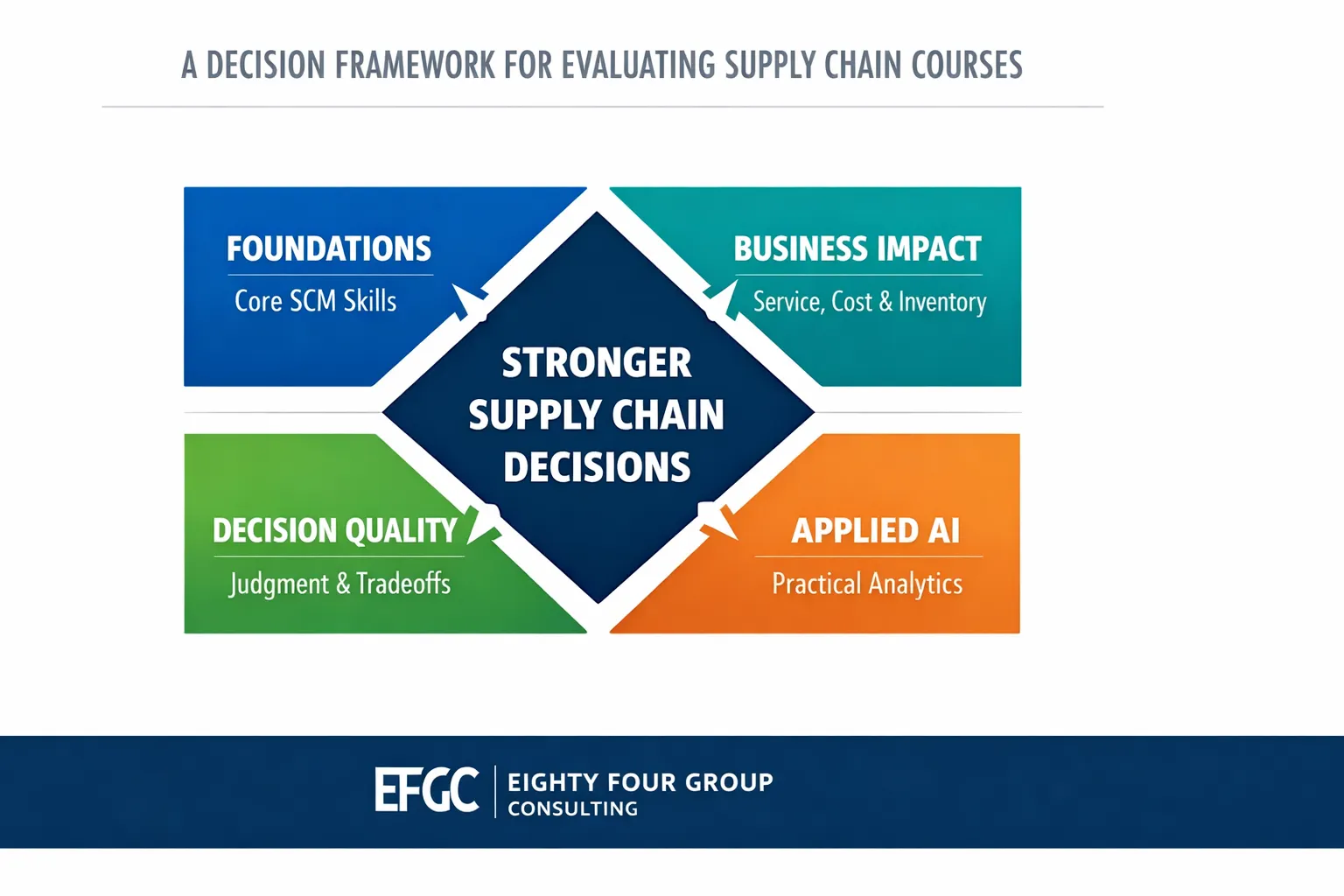
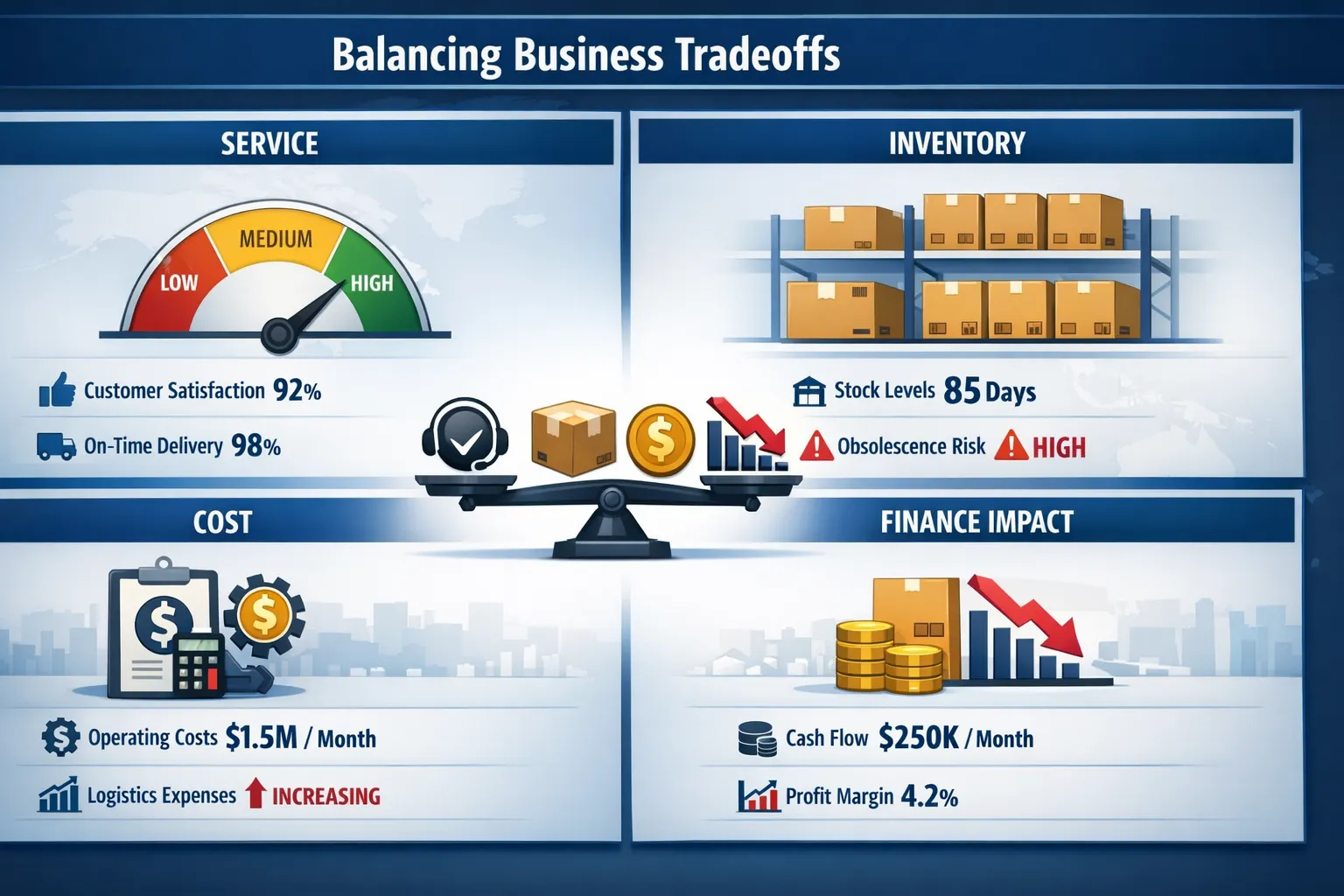
The stronger question now is not simply which course is popular. It is which course will help you make better supply chain decisions in real operating conditions. That means better judgment under pressure, clearer tradeoffs across service, cost, and inventory, and a stronger link between day-to-day decisions and business performance.
That is the standard this article uses.
What people usually mean when they search for the best online supply chain management courses
When someone searches for the best online supply chain management courses, they are usually trying to solve one of a few problems.
Some want a foundation. They are new to supply chain and need a practical introduction to planning, sourcing, operations, logistics, and inventory. That is where broad course marketplaces and structured continuing-education programs can be useful.
Some want career progression. They already work in supply chain, operations, procurement, or planning and need stronger skills in forecasting, inventory, analytics, or cross-functional decision-making.
Some want a credential. Certificate and designation-oriented learning still matters, especially where institutional structure or formal recognition is part of the value.
Some want flexibility. Self-paced and online-first models remain attractive for working professionals. Waterloo’s WatSPEED page, for instance, emphasizes instructor-moderated online courses with asynchronous timing and flexible scheduling.
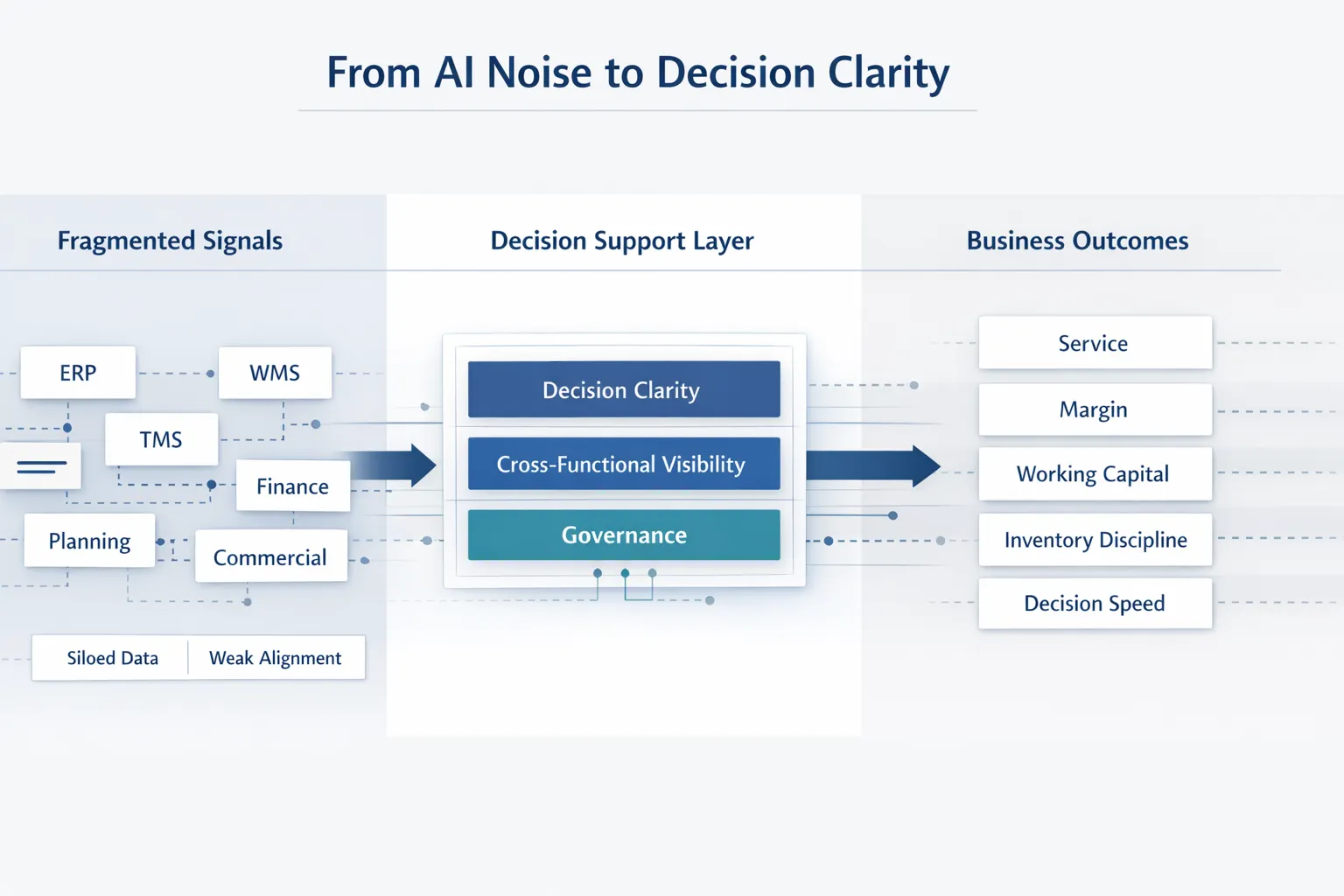
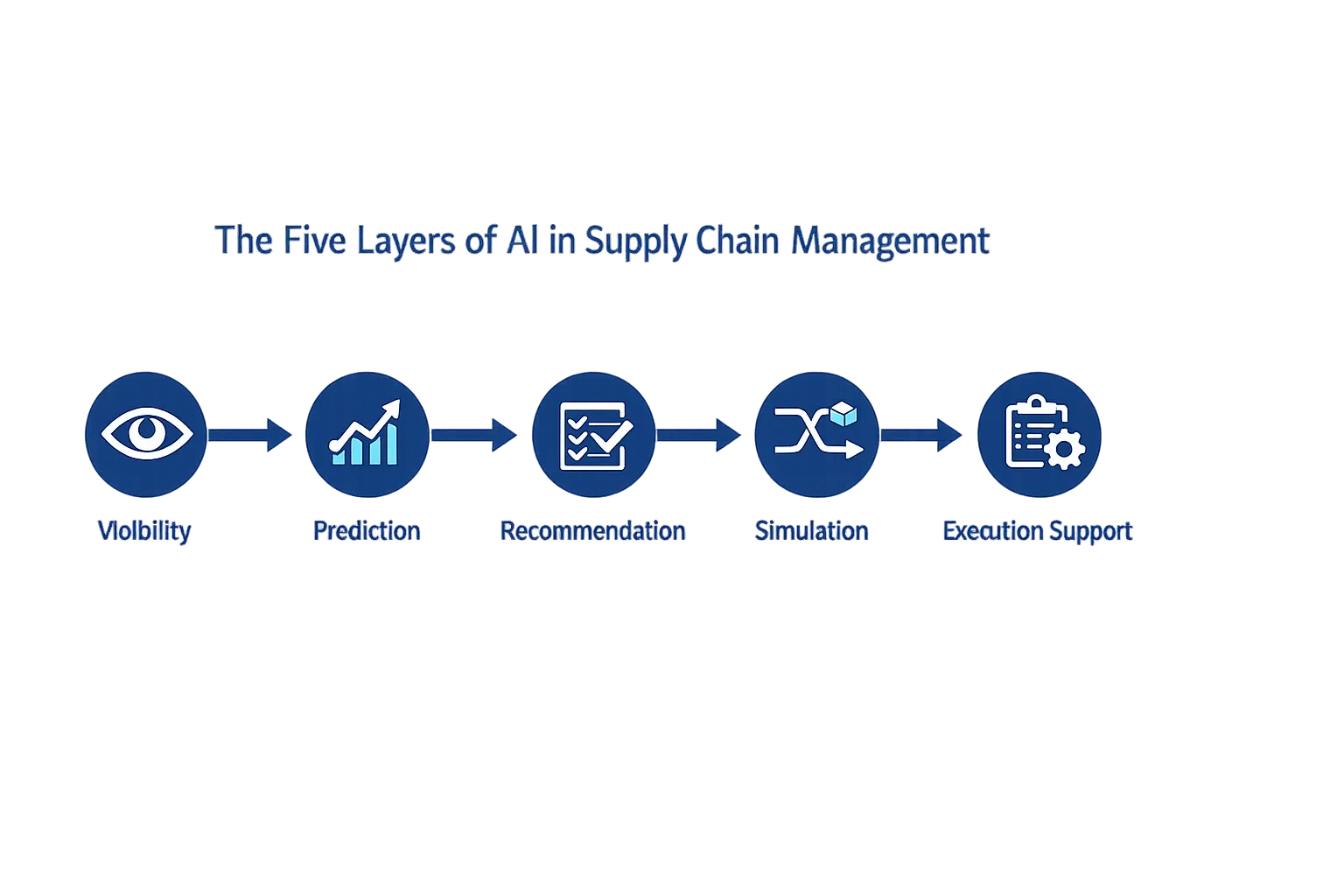
And increasingly, some want relevance to modern supply chain decision-making. They do not just want vocabulary and frameworks. They want to understand how visibility, analytics, AI, inventory discipline, and finance impact fit into operating reality.
That last group is growing fastest.
A better way to judge the best online supply chain management courses
A course can be online, reputable, and well-structured and still fall short where it matters most.
The best online supply chain management courses should do more than transfer information. They should build decision capability.
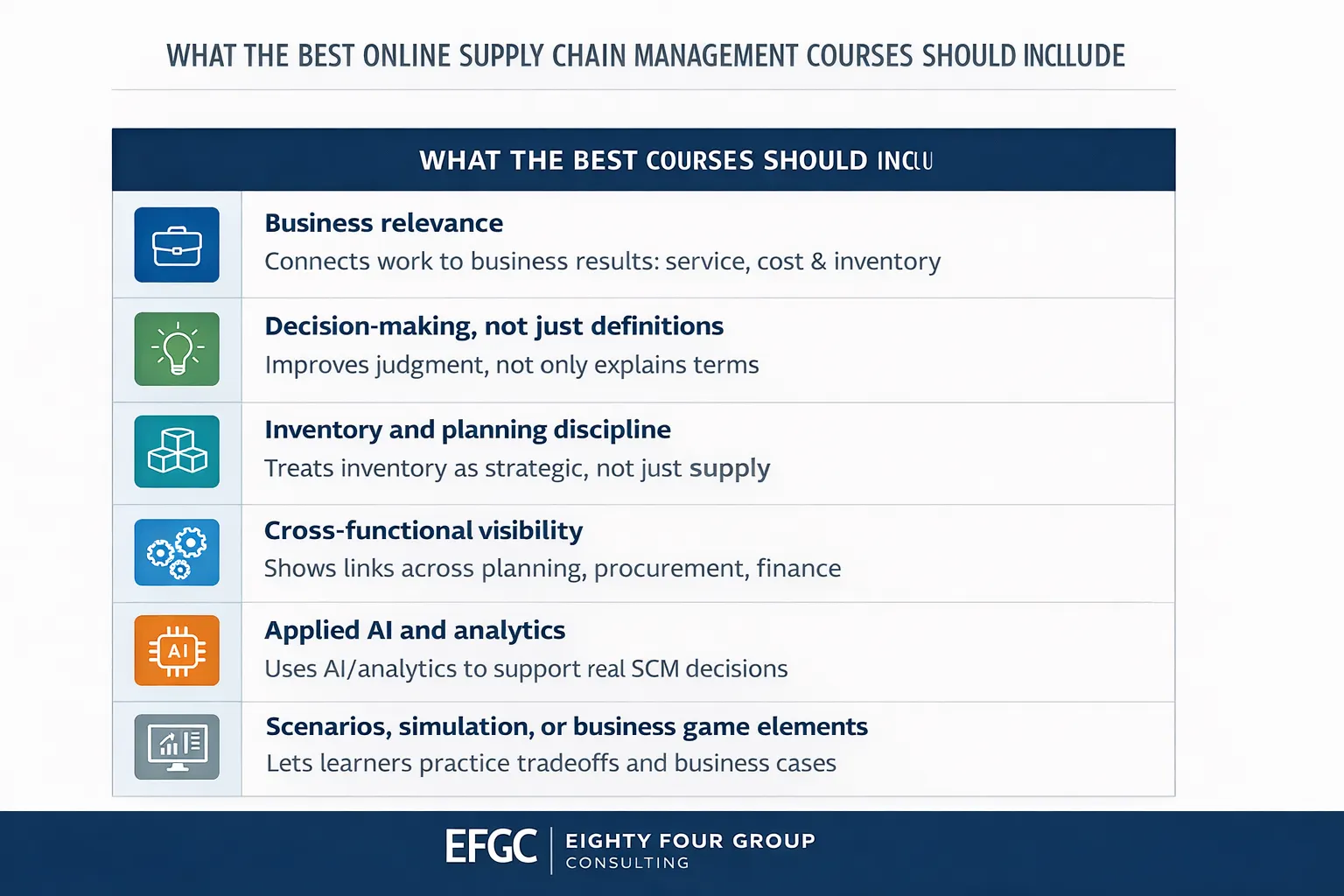
1. Business relevance
A strong course should connect supply chain work to business outcomes. That includes service levels, cost, working capital, inventory exposure, and cross-functional tradeoffs.
2. Decision-making, not just definitions
A lot of courses explain what supply chain functions are. Fewer help learners think through what to do when demand shifts, supply risk rises, inventory builds, service drops, or finance pressure tightens.
Knowing the terms is useful. Making better decisions is what changes performance.
3. Inventory and planning discipline
The best programs should not treat inventory as a side topic. Inventory is where many supply chain decisions become visible in financial terms. Too much inventory ties up cash. Too little can damage service and revenue.
4. Cross-functional visibility
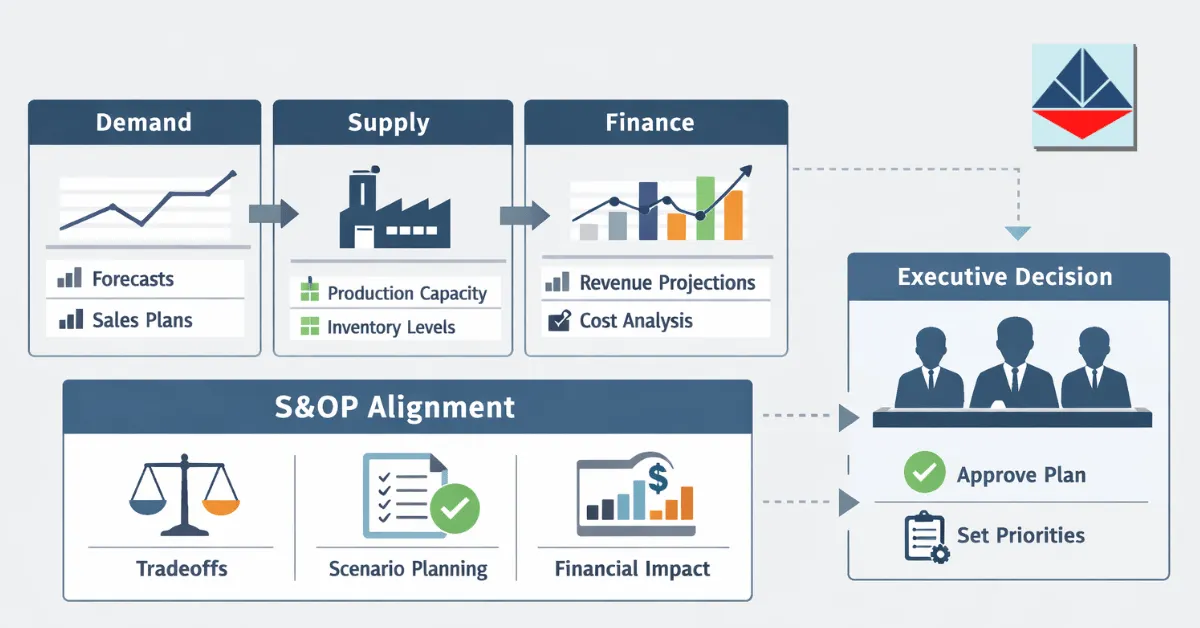
Supply chain decisions are rarely isolated. Planning, procurement, operations, sales, and finance all affect the outcome. Strong learning should help people see those links clearly.
5. Applied AI and analytics
Some course platforms are already moving in this direction. Coursera’s listings now include options such as AI in Supply Chain and data-oriented supply chain learning, alongside more traditional logistics and planning courses.
The real test, though, is whether AI and analytics are taught as practical decision support, not as trend language.
6. Real-world application
This is where many online options still leave a gap.
A better course uses scenarios, decision exercises, business cases, structured simulations, or business game mechanics. It should help learners practice tradeoffs, not only consume content.
Course formats
Not all online supply chain learning options solve the same problem.
One reason people struggle to choose is that “course” can mean several very different things.
Marketplace courses
These are useful for broad exploration, low-cost entry, and flexible learning. Coursera remains one of the most visible examples, with beginner, intermediate, and advanced paths across supply chain management, logistics, analytics, planning, and AI-related topics.
Best for readers who want flexibility, variety, and low commitment.
College and university certificate programs
Programs from George Brown, Humber, Waterloo, and the University of Toronto offer more structure and a clearer curriculum path. George Brown’s program, for example, is online and covers areas such as strategic management, resource planning, technology, procurement, warehousing, and inventory. Humber positions its graduate certificate around business and global supply chain issues.
Best for readers who want guided progression and institutional structure.
Certification and skills-based lists
Some comparison articles, such as AbcSupplyChain’s roundup, break the market into flexible online courses versus formal certifications, often emphasizing price, duration, and credential type. That is useful for comparison, but it still tends to evaluate options more as listings than as decision-capability builders.
Best for readers who are mainly comparing formats, recognition, and cost.
Applied executive and team learning
This category is smaller, but increasingly important. It is where learning is designed around real operating decisions, cross-functional business pressure, and direct workplace use.
Simulation and business game formats
This is still underused in supply chain education relative to how useful it can be.
When done well, simulations and business games let learners experience tradeoffs across service, cost, inventory, timing, and finance constraints. They help people understand consequences, not just concepts.
What different learners should choose
Best for beginners
Choose a course that gives you a clear grounding in the core flow of supply chain management: planning, sourcing, logistics, operations, and inventory.
Best for working professionals
Choose learning that helps you improve day-to-day decisions, not just expand your vocabulary. Look for forecasting, inventory, analytics, flexible delivery, and clearer application to real work.
Best for managers and leaders
Choose a course that helps you think across functions. The strongest learning for this group should cover service, cost, and inventory tradeoffs, operational decision support, and business implications.
Best for universities and colleges
Choose learning that improves workforce readiness and modernizes the curriculum. That means practical AI for SCM, scenario-based learning, business game elements, and applied decision-making.
This aligns directly with your brand guidance for education-related offers, which prioritizes applied learning, workforce readiness, practical AI for SCM, business games, and decision-making capability building for universities and colleges.
Red flags to watch for before choosing a course
A supply chain course may still be the wrong choice if it has one or more of these issues.
Too theoretical, with little real-world application
If learners finish with terminology but little confidence in how to handle tradeoffs, the course is likely too academic for the need.
Heavy on topic coverage, light on decisions
There is a difference between teaching procurement, logistics, planning, and inventory as separate modules and helping someone think across them under pressure.
AI mentioned without practical use
AI is starting to appear more often across course catalogs and executive education menus. But the stronger question is simple: does it improve decision quality, or is it just there because the market expects the label?
No scenario work
Without exercises, simulations, cases, or business games, learners often leave with knowledge but not much applied judgment.
Certificate-first positioning
Credentials can matter. But if the badge is clearer than the capability outcome, that should raise a question.
Why supply chain education needs to change
Supply chain work is not just about moving goods efficiently.
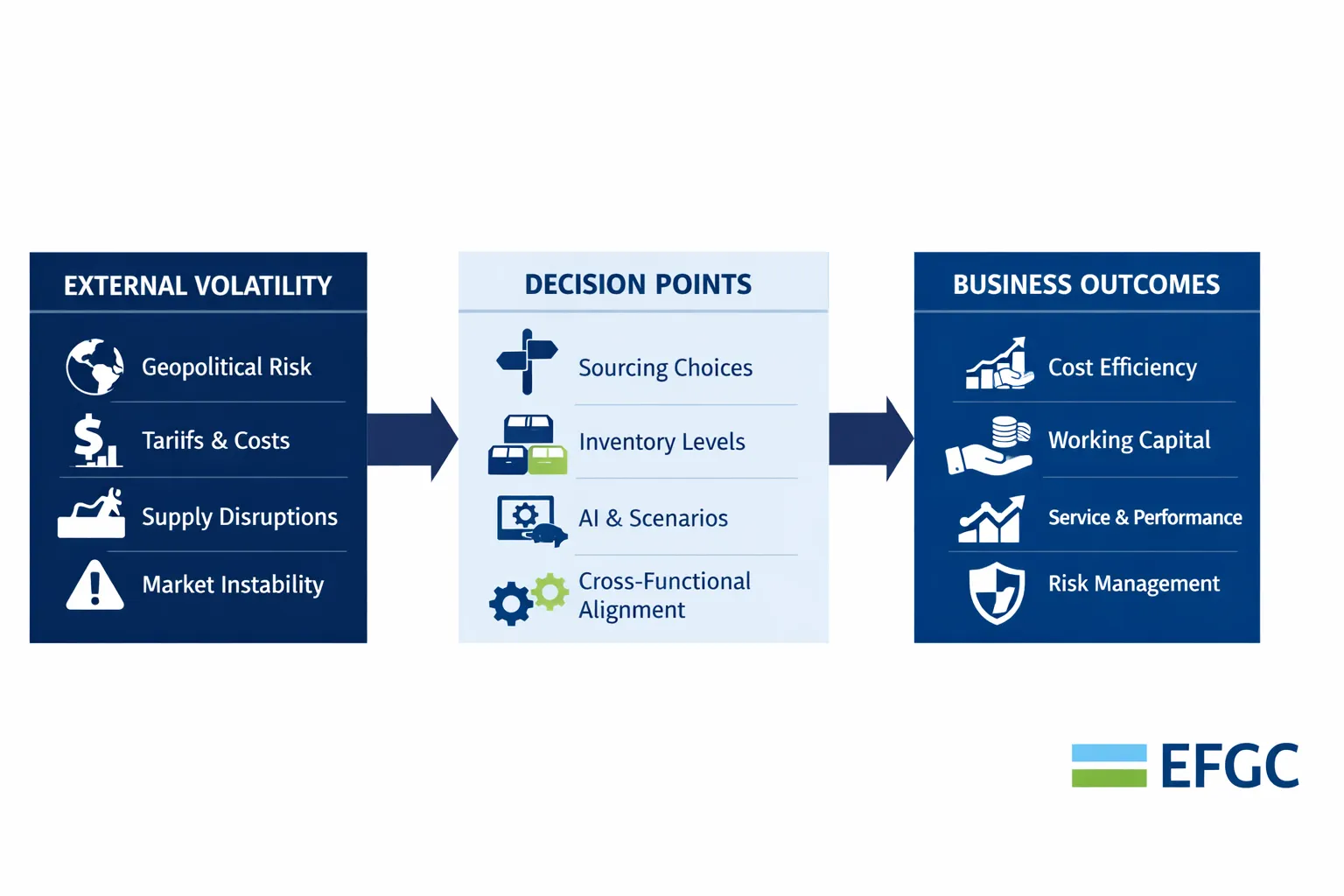
It is about making decisions under uncertainty. It is about balancing service, inventory, cost, timing, supplier reality, and finance pressure. It is about knowing when speed helps and when speed without clarity creates more cost and risk.
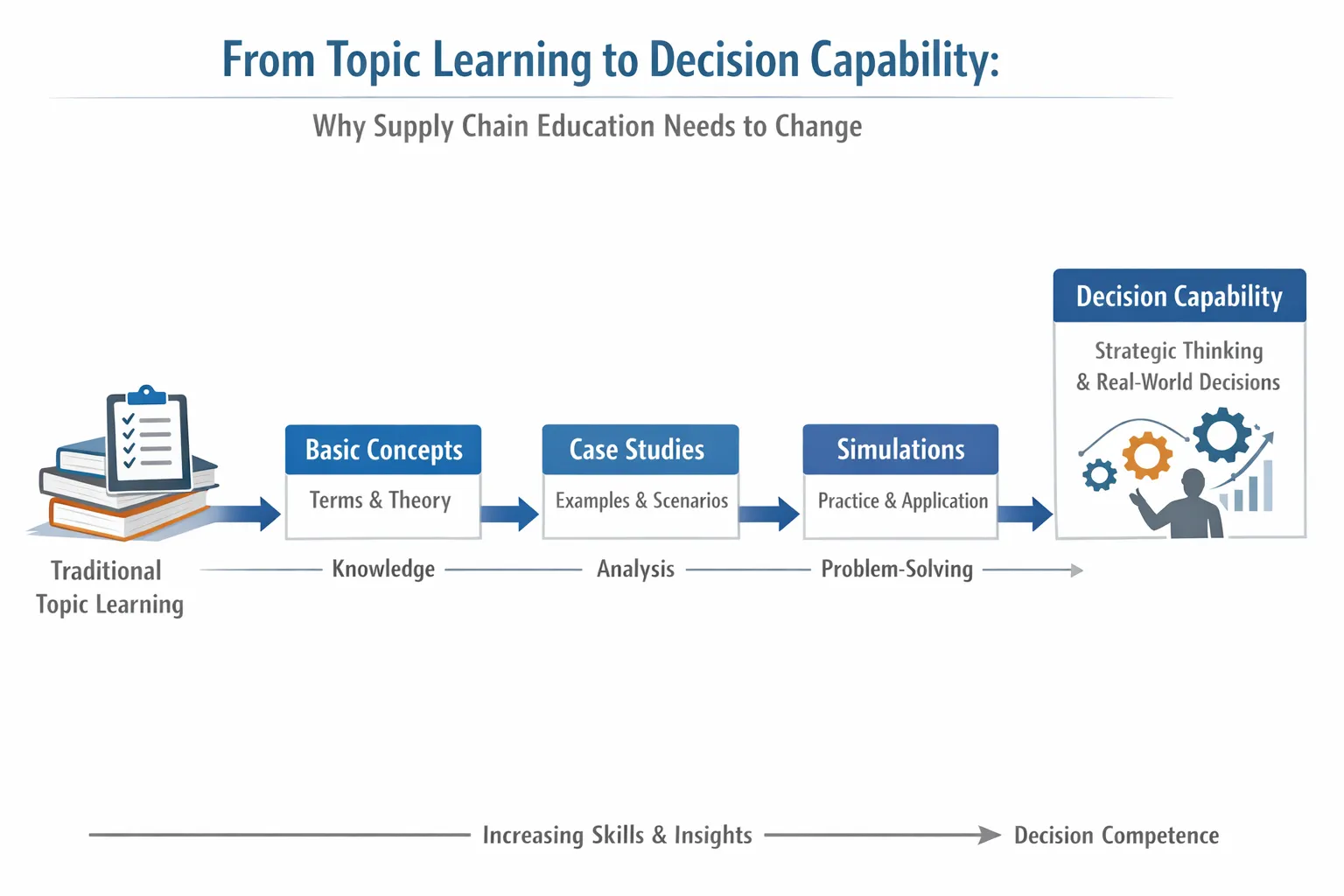
That is why supply chain education needs to move beyond topic coverage alone.
Many official program pages still focus, understandably, on subject coverage: logistics, planning, sourcing, procurement, technology, warehousing, resource planning, and global issues. Those are still essential building blocks. But they do not fully answer what organizations now need from supply chain talent.
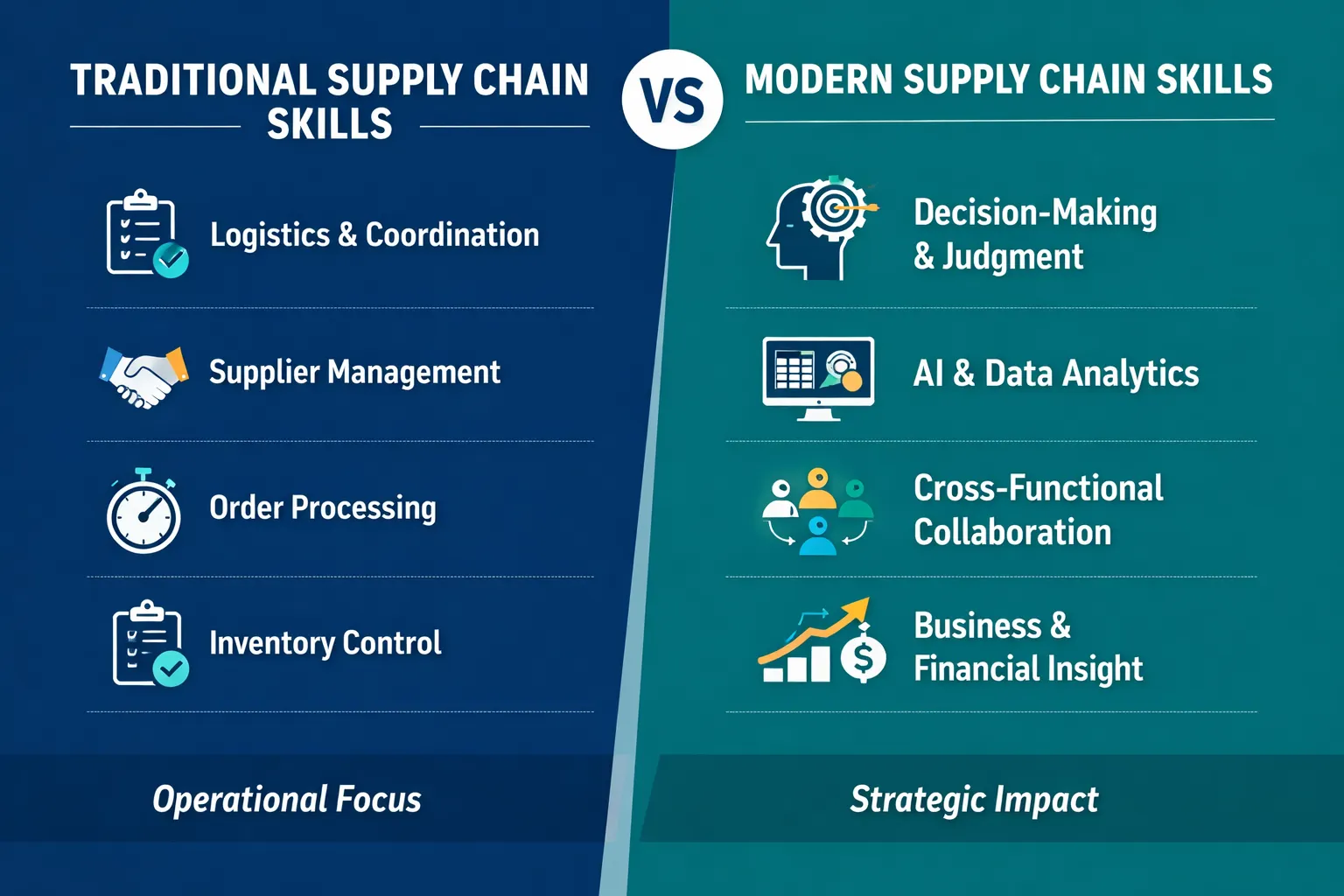
Organizations now need people who can interpret signals faster, make more business-aligned supply chain decisions, understand cost and working capital implications, connect operations to finance, and use AI as decision support grounded in operating reality.
What the next generation of supply chain courses should look like
A stronger course model would combine five things.
Strong foundations
People still need to understand planning, sourcing, logistics, procurement, inventory, and operations.
Decision-centered learning
Learners should leave better able to make decisions, not just describe frameworks.
Cross-functional business grounding
Learning should show how supply chain choices affect service, cost, inventory, working capital, and operating performance.
Applied AI for supply chain management
AI belongs in the learning experience when it improves visibility, reduces decision latency, and supports better judgment in real operating contexts.
Simulation, scenarios, or business games
This is one of the strongest ways to help people understand consequences and tradeoffs. It moves the learner from content consumption to decision capability.
Where EFGC’s future course and business game fit
This is the gap we believe matters most.
Many current learning options are still built around one of three models: broad topic discovery, formal academic structure, or credential progression. Those models all have value. But they do not always build the kind of practical decision capability organizations and modern education partners now need.
The learning experience we are building is meant to sit in that gap.
It is being shaped around practical AI for supply chain management, decision clarity, cross-functional visibility, inventory discipline, business-aligned decision support, and business game elements that make tradeoffs visible.
In other words, the aim is not to create one more supply chain content library.
It is to help learners and teams build stronger decision capability.
Who should join the waitlist
The waitlist is a strong fit for:
- supply chain professionals who want more practical, decision-centered learning
- managers who need stronger judgment across service, cost, and inventory tradeoffs
- universities and colleges exploring applied AI for SCM and more modern learning formats
- organizations interested in workshops, team learning, or business game-based capability building
Final view: what is the best online supply chain management course?
The best online supply chain management course is not automatically the biggest catalog, the lowest price, or the most recognizable logo.
It is the one that helps you make stronger supply chain decisions in operating reality.
That means solid foundations, practical business context, inventory and working capital awareness, cross-functional visibility, applied AI where it genuinely helps, and decision exercises, scenarios, or simulation.
That is the standard worth using before you enroll.
And it is the standard we are using as we shape the next phase of supply chain learning at Eighty Four Group Consulting.
Join the Course Waitlist
Be first to hear when our applied supply chain course and business game experience opens for early access.
For universities, teams, and professionals interested in practical supply chain decision capability.
FAQs
What is the best online supply chain management course?
The best course is the one that improves decision quality in real operating conditions, not just topic familiarity. Look for business relevance, inventory discipline, cross-functional visibility, and applied learning.
Are online supply chain management courses worth it?
Yes, when they build practical capability you can use in your role. The strongest options go beyond theory and help learners apply judgment across service, cost, inventory, and planning decisions.
What should a supply chain course include in 2026?
A strong course should include foundations, decision-making, business context, inventory and working capital relevance, practical AI use, and scenario-based or simulation-based learning.
Do I need a certificate or practical skills?
That depends on your goal. A certificate can help with recognition, but practical decision capability is what usually matters most in day-to-day supply chain work.
Which supply chain course is best for working professionals?
The best fit is usually flexible, practical, and directly relevant to real work. Look for forecasting, inventory, analytics, and applied decision support rather than topic breadth alone.
Are business games useful in supply chain education?
Yes. Business games and simulations can help learners understand tradeoffs, consequences, and decision-making under pressure in ways that static content often cannot.